
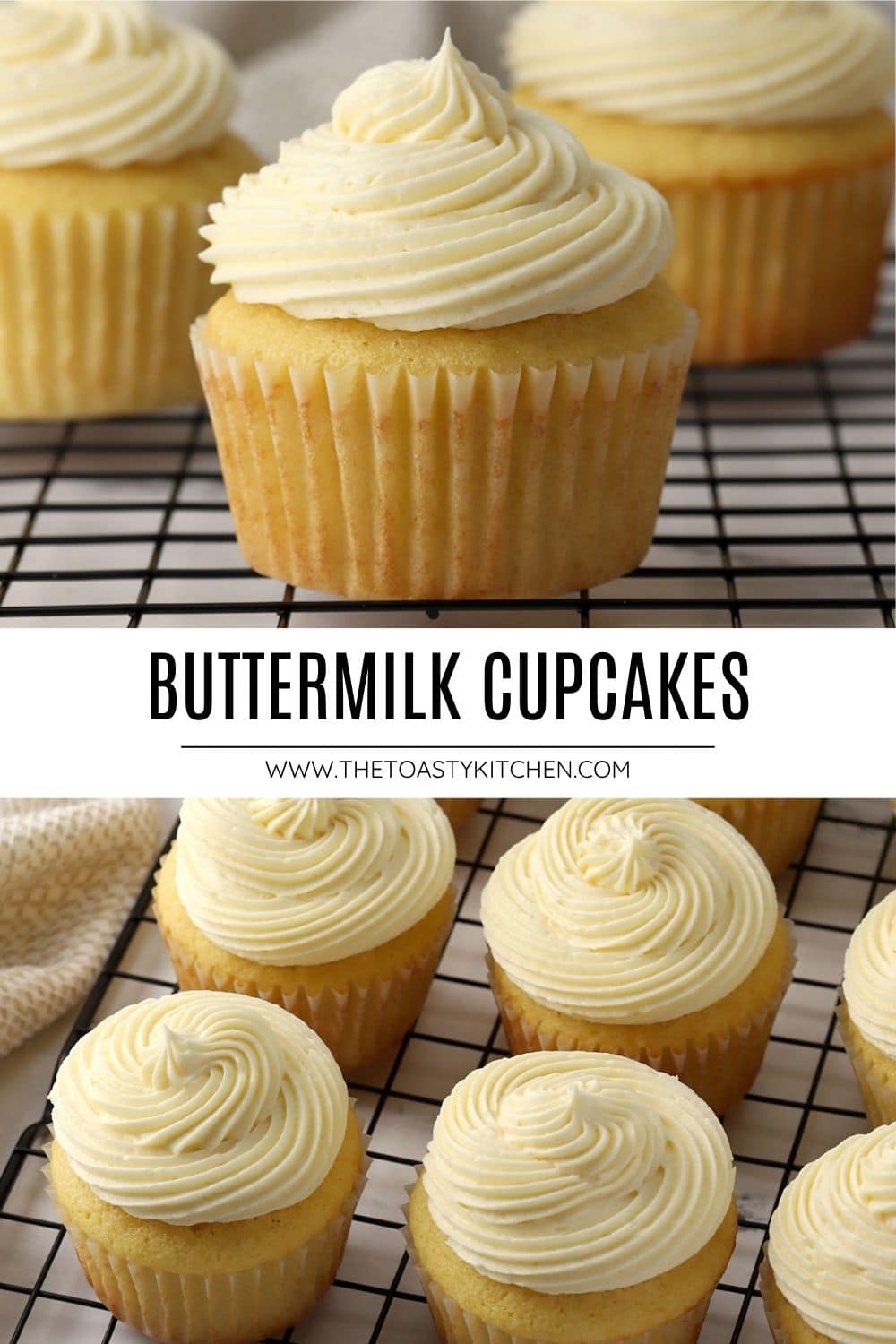
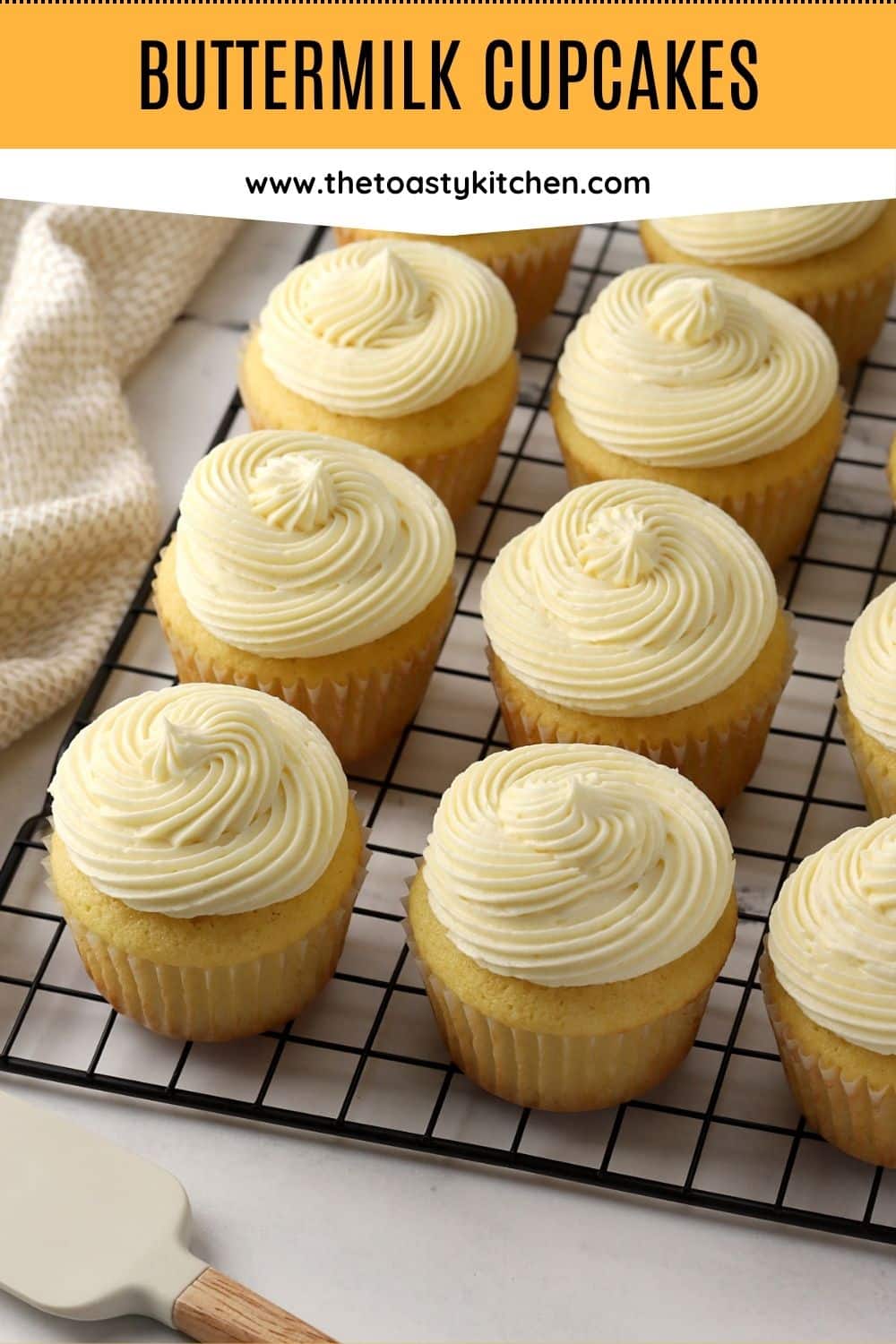
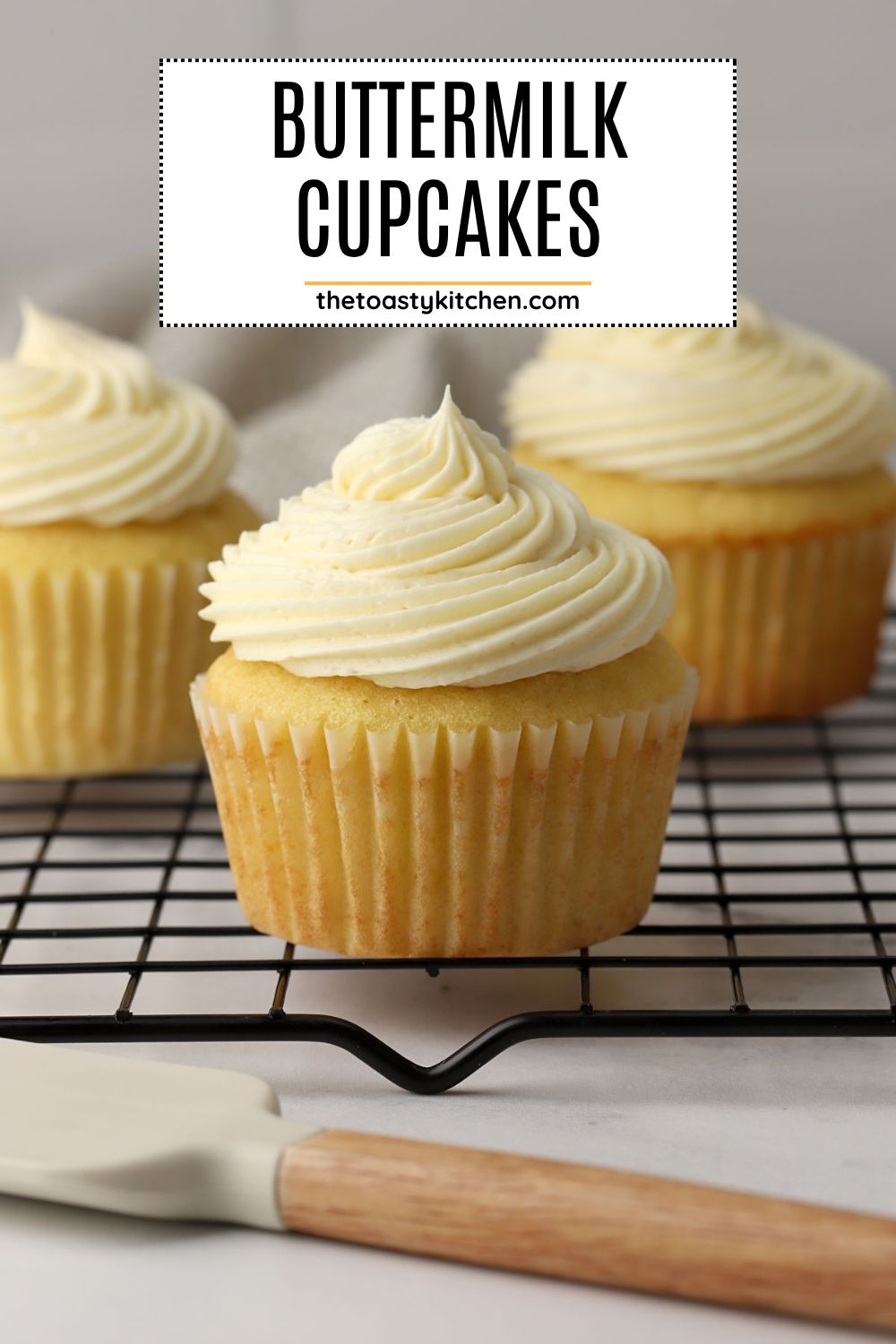
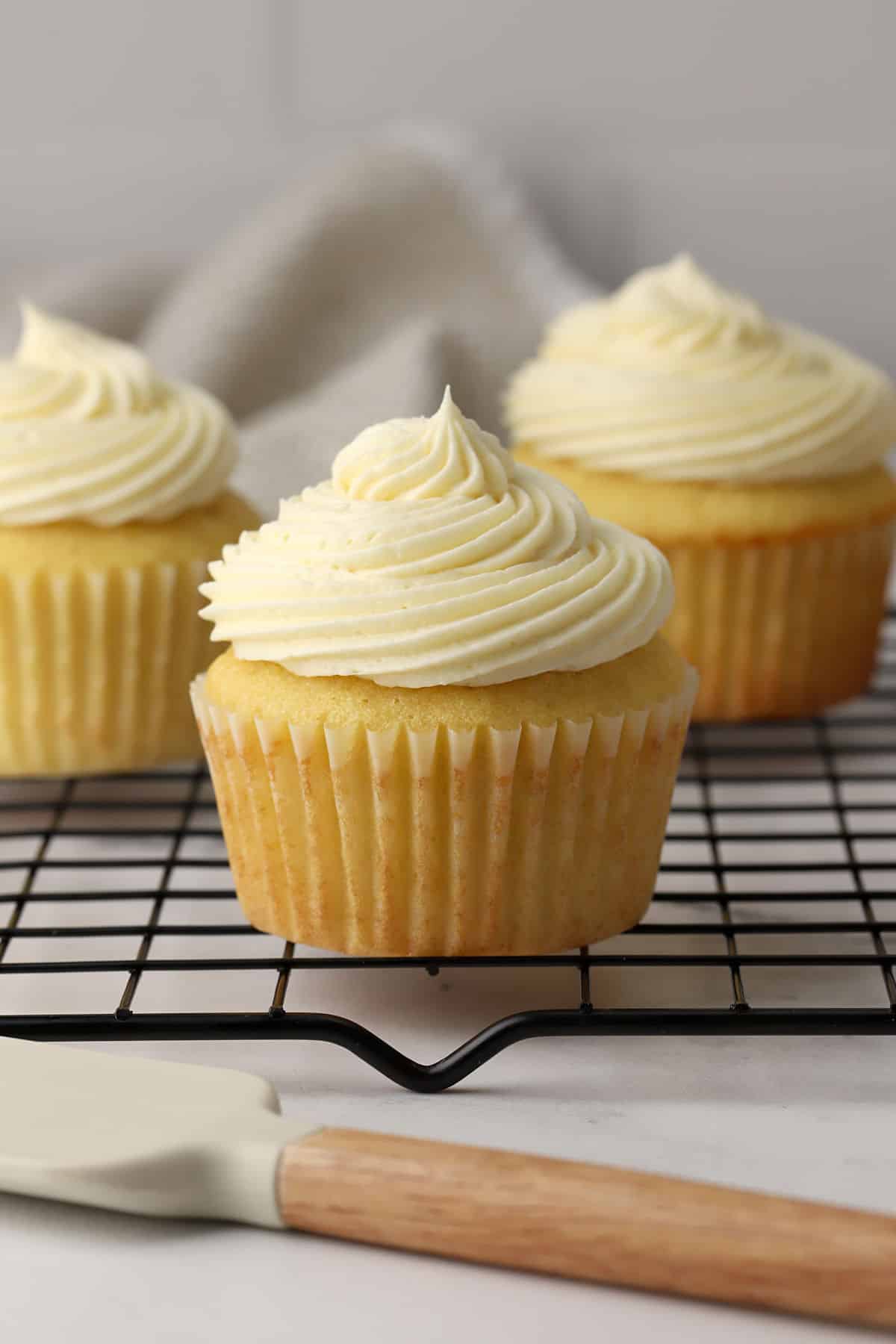
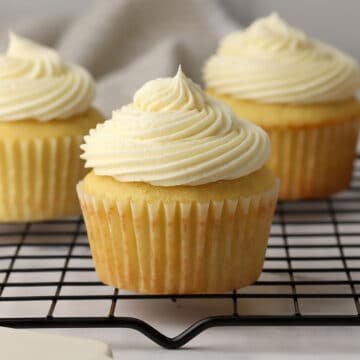
Buttermilk cupcakes are tender vanilla cupcakes topped with buttermilk frosting. They're easy to make from scratch and a great treat to make when you have buttermilk on hand.
Heather's recipe summary
Flavor/texture: Tender vanilla cupcakes with a subtle buttermilk tang. Topped with sweet and simple buttermilk frosting.
Yield: 12 cupcakes
Similar to: This recipe is a result of several reader requests for a buttermilk version of my Homemade Vanilla Cupcakes. Both recipes are made the same way and produce a tender, moist vanilla cupcake.
Jump to:
Ingredients and substitutions
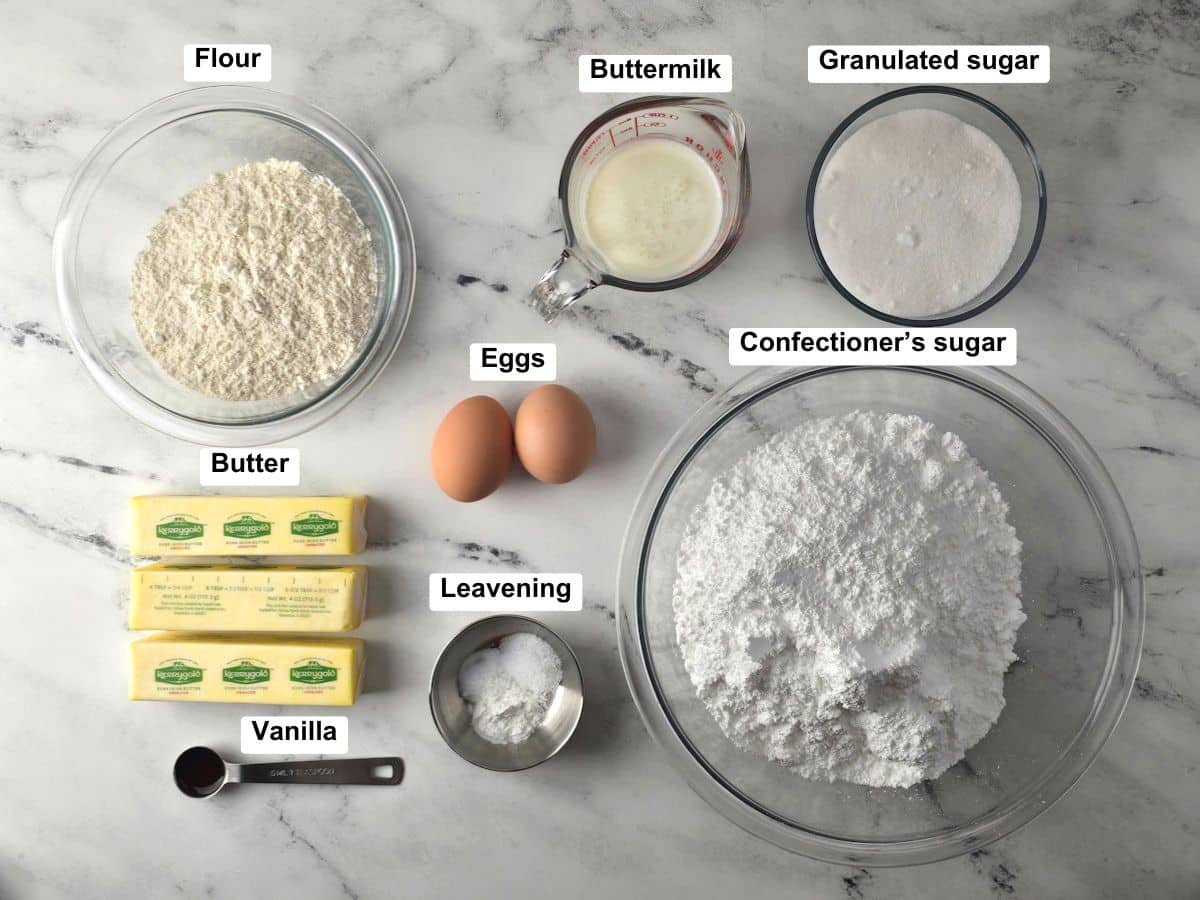
- Buttermilk - This recipe is written specifically for buttermilk. If you don't have buttermilk on hand, make my recipe for Homemade Vanilla Cupcakes instead. I used my vanilla cupcakes recipe as a base for this recipe, so they'll produce the same result!
- Flour - Cake flour has a lower protein content than other flours, like all-purpose or bread flour, creating a smaller, more tender crumb. I recommend using cake flour rather than all-purpose flour, but all-purpose flour can work in a pinch.
How to make buttermilk cupcakes
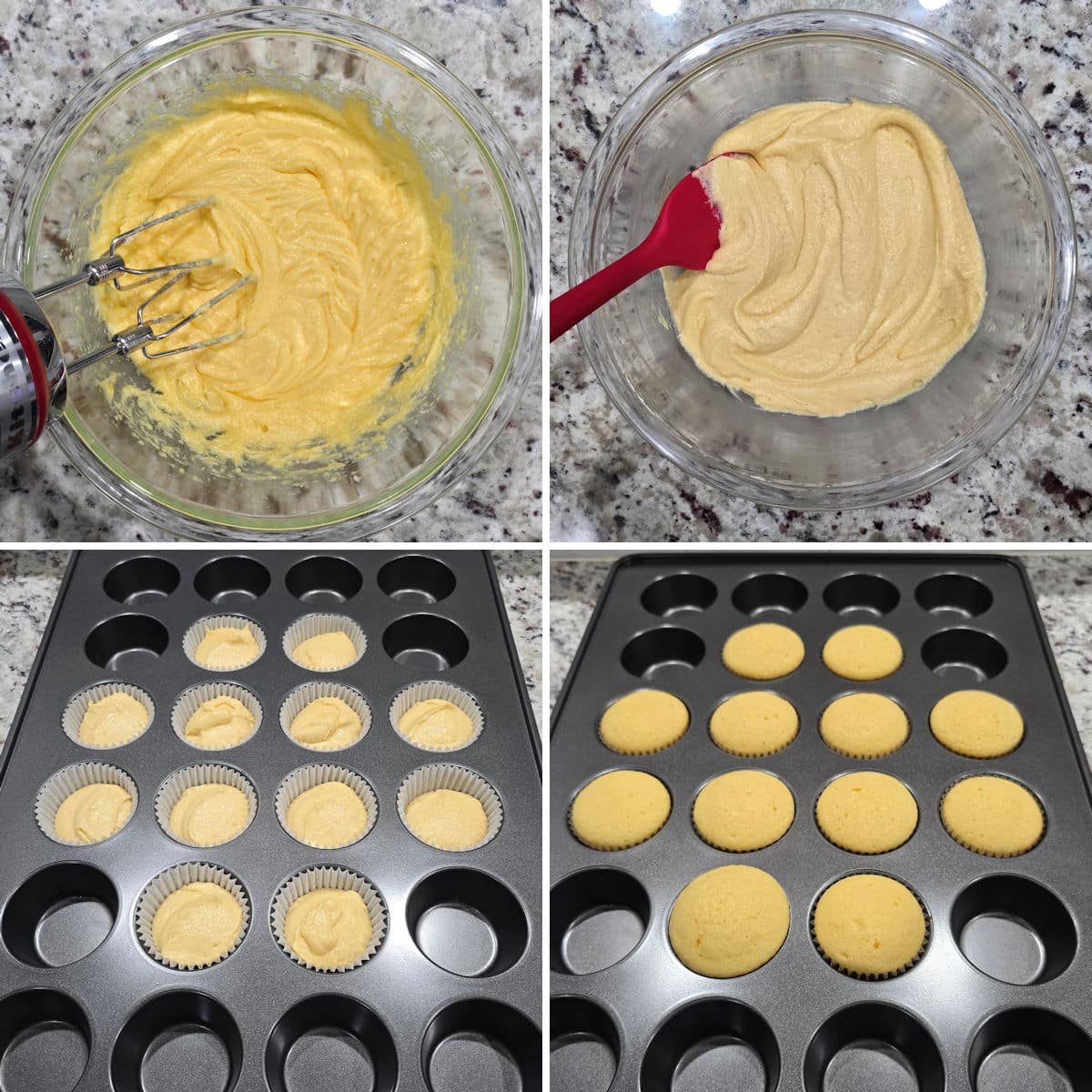
- Use a hand mixer to beat wet ingredients together until smooth and creamy.
- Whisk dry ingredients in a separate bowl. Add, alternating with the buttermilk, until all ingredients are incorporated.
- Divide between 12 cupcake liners.
- Bake until the centers pop back when gently pressed or they reach 210F in the center.
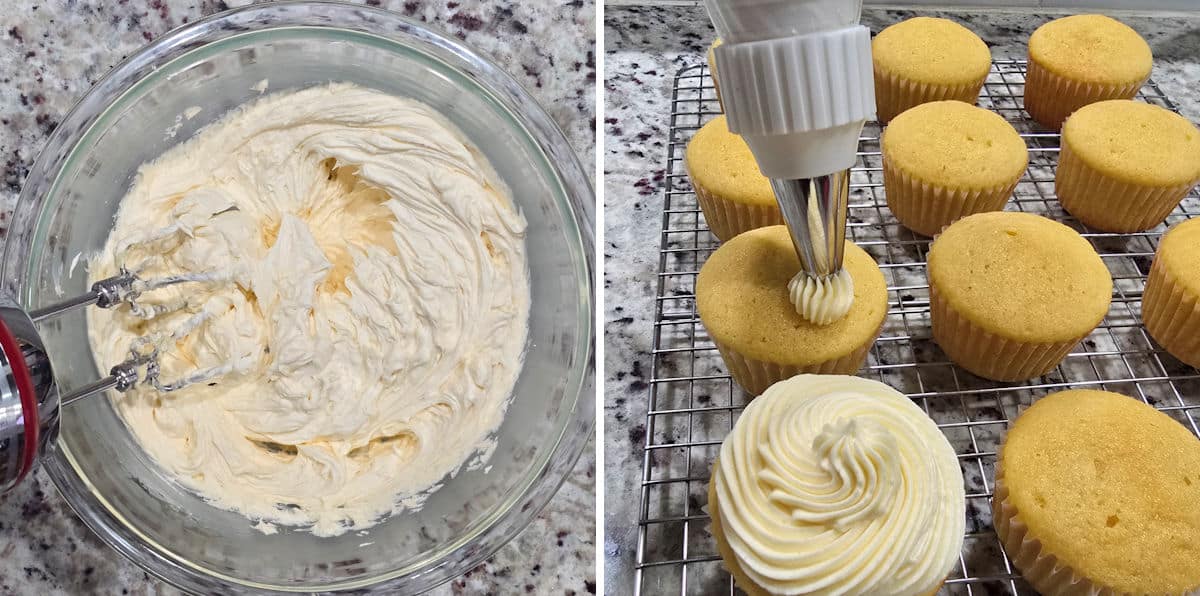
- Make your frosting while the cupcakes cool. I've included my buttermilk frosting below.
- Pipe frosting onto cooled cupcakes and serve.
Heather's top tip
To test for doneness, gently press the top of your cake. If it springs right back, it's done. If an indent is left, it needs more time. For accurate results every time, use an instant read thermometer. Cake is done when it reaches 210F in the center.
Tips and tricks
Measuring flour properly - Use a kitchen scale to measure your ingredients, especially the flour. If you don't have a scale, use a spoon to scoop flour into your measuring cup, then level off the top with a knife. Scooping directly from a bin using the measuring cup compacts flour into the cup, adding up to 25% extra flour to the recipe. This can make cupcakes dry and bland.
Bring ingredients to room temperature quickly - Add eggs to a bowl of warm tap water and allow to set for 10 minutes. Slice butter into small pieces and place on the countertop for 10-20 minutes. Butter can also be grated with a box grater and is ready to use in just 2 minutes.
Allow cupcakes to cool - Do not unwrap your cupcakes while they're still warm. Your cupcakes will stick to the liners until they are fully cooled throughout. Once cooled, your cupcakes will easily unwrap.
Do not frost warm cupcakes - Buttercream is sensitive to heat and will melt between 90 to 95 degrees Fahrenheit. Instead, allow cupcakes to cool completely before frosting.
Frequently asked questions
No, buttermilk doesn't make cupcakes more moist than using regular whole milk. The only difference is a subtle tangy flavor. I'd recommend making buttermilk cupcakes over regular vanilla cupcakes if you enjoy that tang or if you have some extra buttermilk on hand that you're trying to use up.
No. Instead, make a frosting that's made with less sugar like ermine frosting or homemade whipped cream. Buttercream frosting is made with two main ingredients: confectioner's sugar and butter. It's popular because it's no-cook and made with few ingredients. Since it's mainly made of sugar, it's very sweet. Using less sugar means you'll mainly taste butter, the other main ingredient.
For years I've used this simple Wilton cupcake decorating kit (Amazon) to decorate my cupcakes. It comes with four piping tips, bags, and easy to read instructions. I also purchased this additional coupler (Amazon) to make it easy to secure the piping tips and to change out tips halfway through decorating.
Recommended

📖 Recipe
Buttermilk Cupcakes
Ingredients
Buttermilk cupcakes
- 1 ½ cups (168 g) cake flour
- ½ teaspoon baking powder
- ¼ teaspoon baking soda
- ½ teaspoon salt
- ½ cup (113 g) unsalted butter, room temperature
- ¾ cup (150 g) granulated sugar
- 2 large eggs, room temperature
- 1 teaspoon vanilla extract
- ½ cup (113 g) buttermilk, room temperature
Buttermilk frosting
- 1 cup (226 g) unsalted butter, room temperature
- 4 cups (456 g) confectioner's sugar, sifted to remove lumps
- ¼ cup (56 g) buttermilk, cold
- 1 teaspoon vanilla extract
- ¼ teaspoon salt
Instructions
Cupcakes
- Preheat oven to 350℉. Line a cupcake pan with liners and set aside.
- In a large bowl, add flour, baking powder, baking soda, and salt. Whisk to remove clumps and set aside.
- In a separate large bowl, add butter and sugar. Using a hand mixer or stand mixer, beat until creamed and fluffy, about a minute. Add eggs and vanilla extract, beating until smooth and fluffy, about a minute.
- Add half of your dry ingredients to butter mixture. Stir until just combined.
- Add half of the buttermilk, again stirring until just combined. Repeat once more, adding remaining dry ingredients and remaining buttermilk, stirring until just incorporated.
- Portion batter between 12 cupcake liners, filling about ⅔ full. Bake in preheated oven for about 18-20 minutes, or until centers pop back when gently pressed in the center. If an indent is left, your cupcakes need more time.
- Remove pan from oven and allow to cool for 5 minutes before transferring cupcakes to a wire rack to finish cooling.
Frosting
- In a large bowl, add room temperature butter. Using a hand mixer or stand mixer, beat until creamy and smooth, about a minute.
- Add confectioner's sugar, 1 cup at a time, mixing slowly until combined. Then, whip at high speed for 2-3 minutes, or until light and fluffy.
- Add buttermilk, vanilla, and salt, then whip until fluffy, another 1 to 2 minutes.
- Pipe or spread frosting with a knife onto cupcakes and serve.
Equipment Recommendations
Notes
- Storage: Cupcakes are best served the same day of baking, but will remain moist for up to 48 hours when covered in a sealed container at room temperature.
- Freezing: Cupcakes (frosted or not) can be frozen for up to 3 months. Transfer to a baking sheet and freeze until solid, then store in a freezer-safe container. Thaw on the countertop for 1-2 hours before serving.
- Cake flour alternatives: This recipe can be made with all-purpose flour instead of cake flour, but the texture will be coarser and cupcakes will not turn out quite as tender. Readers have also had success using a cake flour substitute that calls for replacing 2 tablespoons of flour per cup with cornstarch.
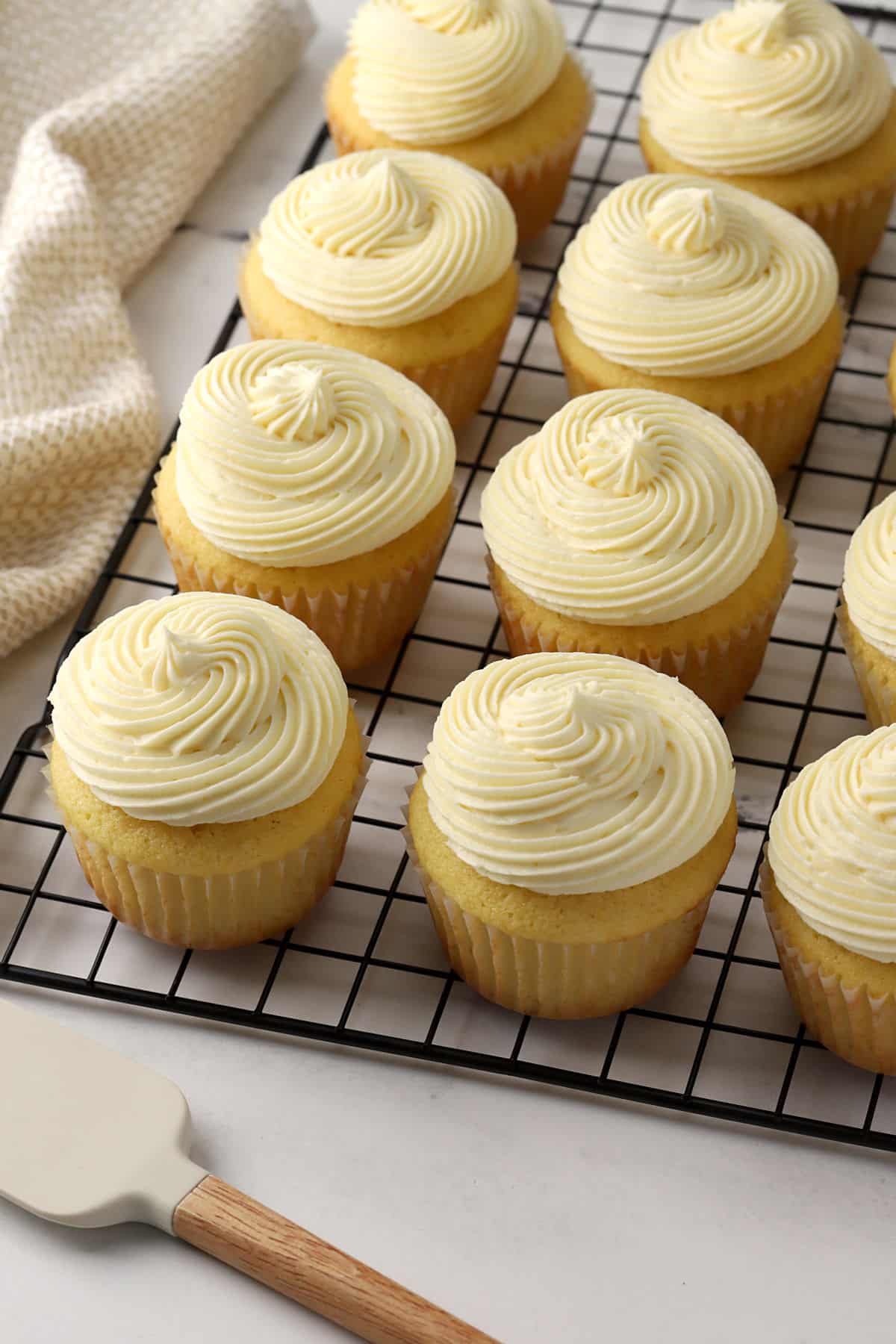
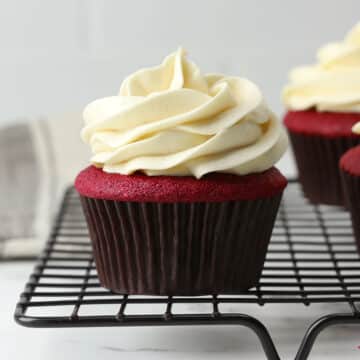
- Frosting quantity: The frosting recipe makes enough to pipe tall, dramatic frosting onto each cupcake (like shown in the photos). If you'd like to make less frosting and spread it with a knife, cut the recipe in half.
- More tips: Be sure to check out my 10 tips for baking cake, based on reader comments and questions!
I had so much fun creating this recipe! I hope you give it a try and love it as much as I do. If you have a question, check out the post above, which is packed with information about the recipe. Tried the recipe? I'd love to hear your thoughts — leave a comment and a star rating to share your feedback!