
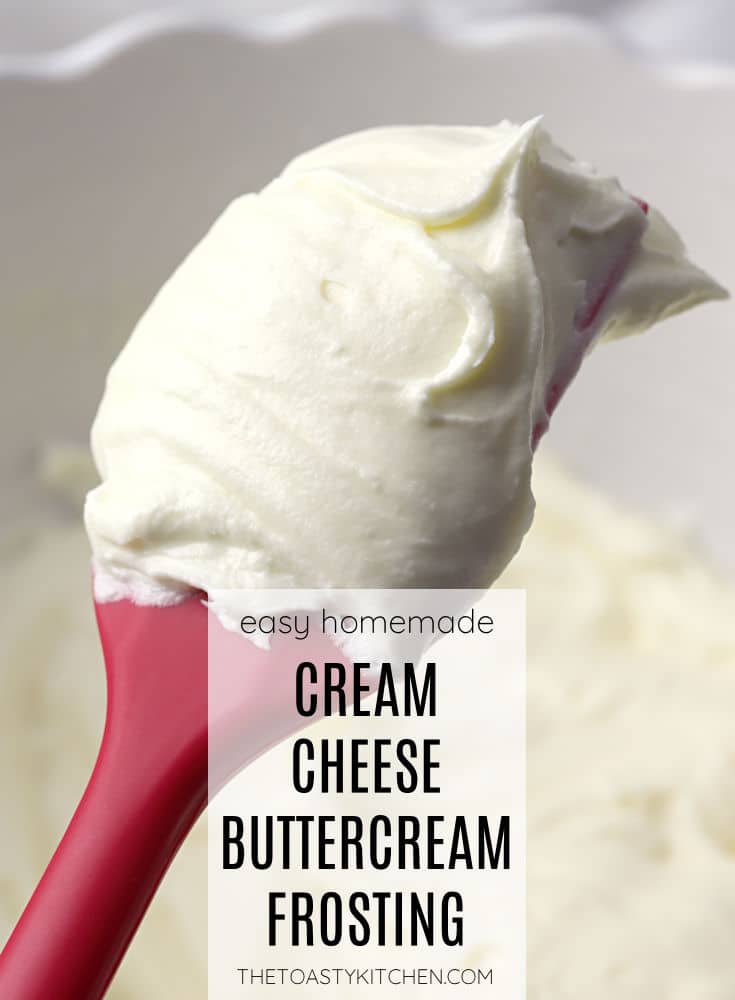
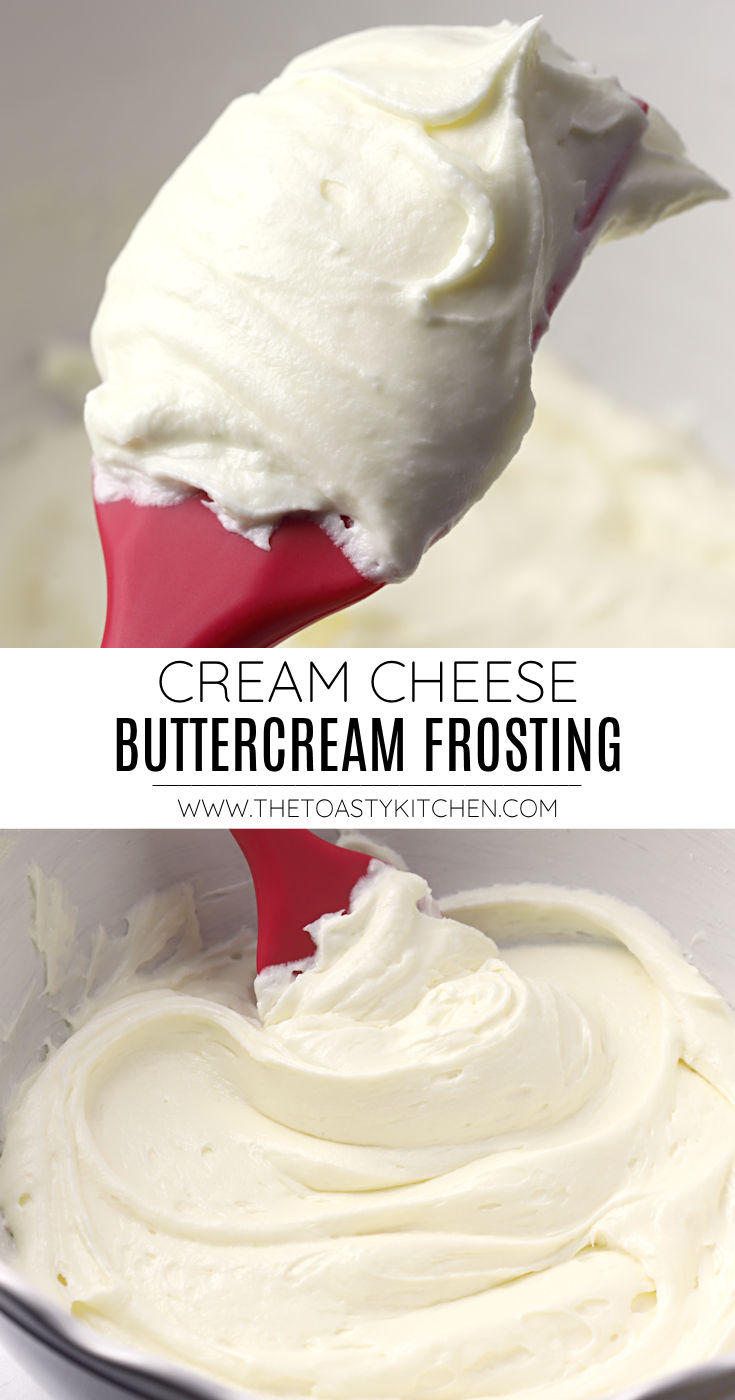
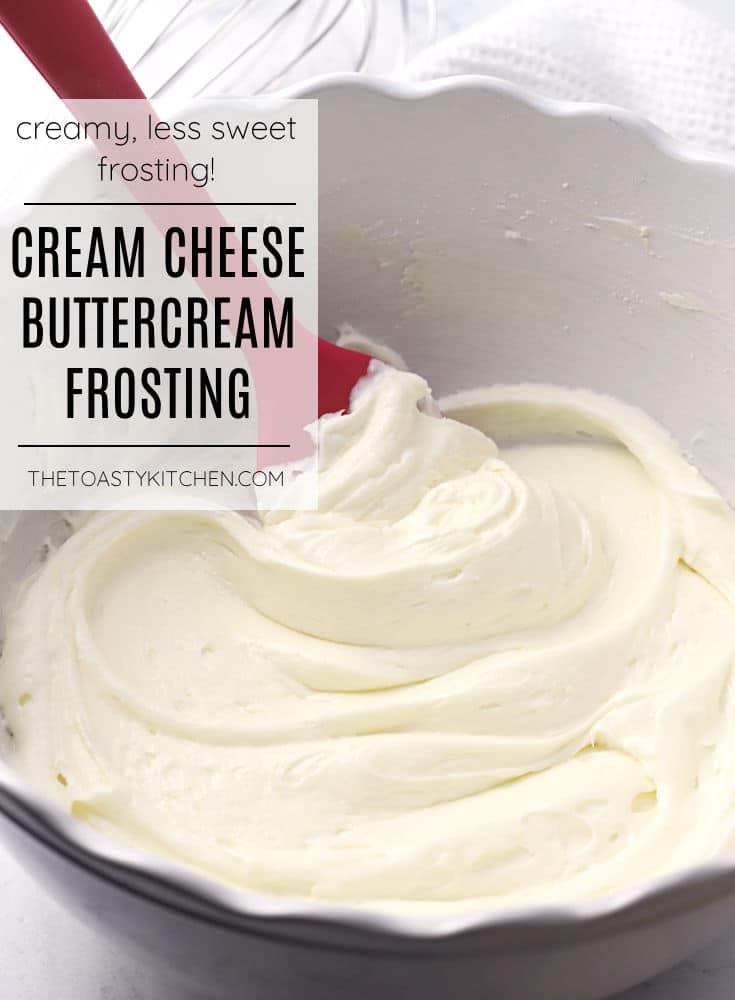
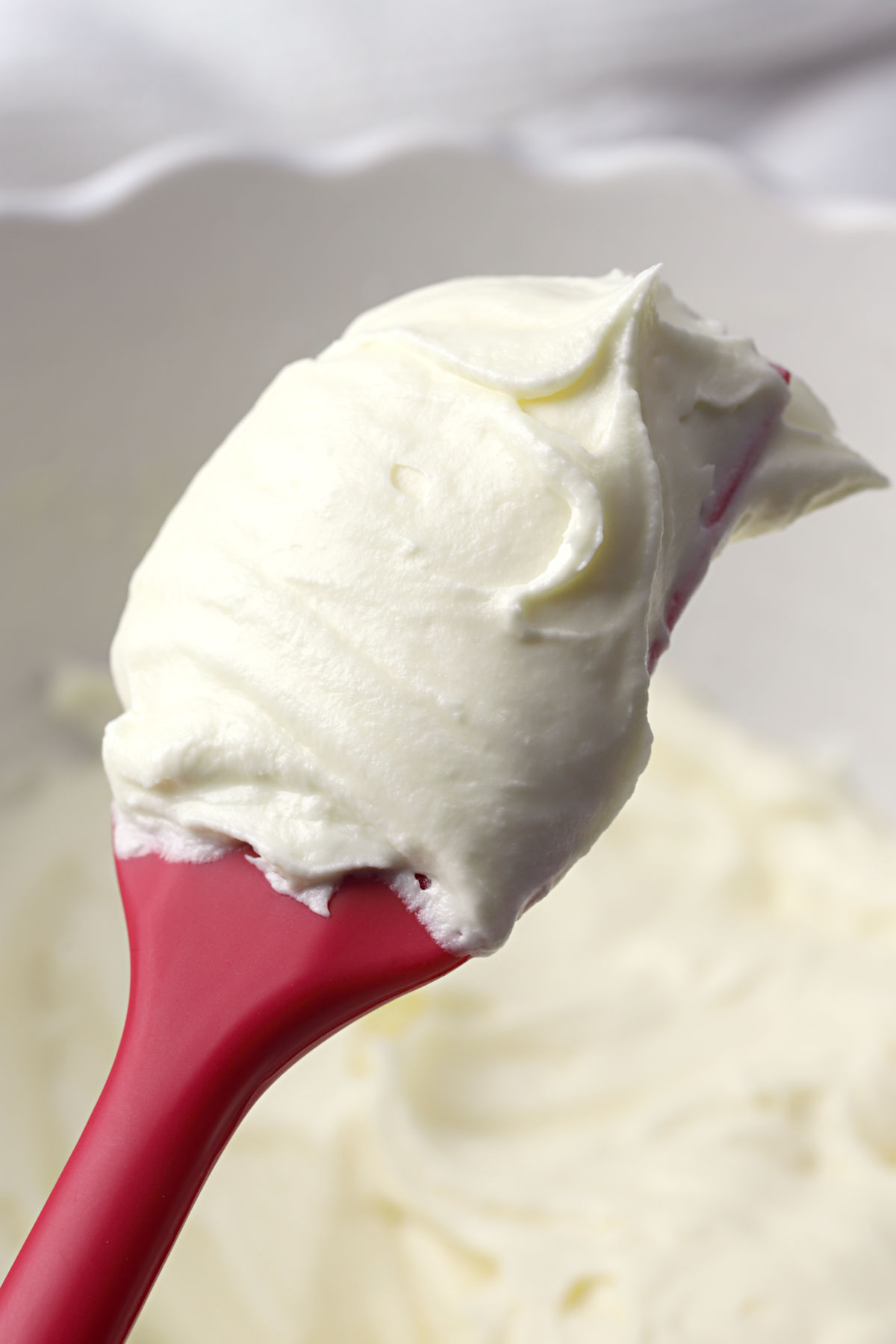
Cream cheese buttercream frosting is a smooth and tangy frosting that's perfect for your next cake or cupcake recipe. This cream cheese frosting pairs perfectly with any flavor of cake or cupcake you can imagine!
Recipe summary
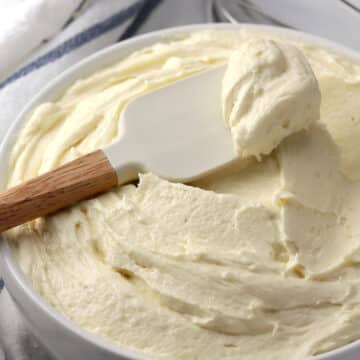
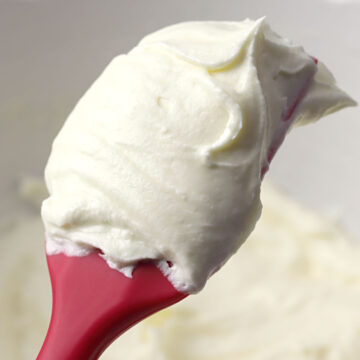
Flavor/texture: Creamy, tangy, and sweet. The perfect blend of cream cheese frosting and buttercream frosting.
Notes: Frosting is pipeable but softer than traditional buttercream and does not crust.
Yield: About 3 cups
Similar to: Lemon Cream Cheese Frosting, Brown Butter Cream Cheese Frosting
Jump to:
Ingredients and substitutions
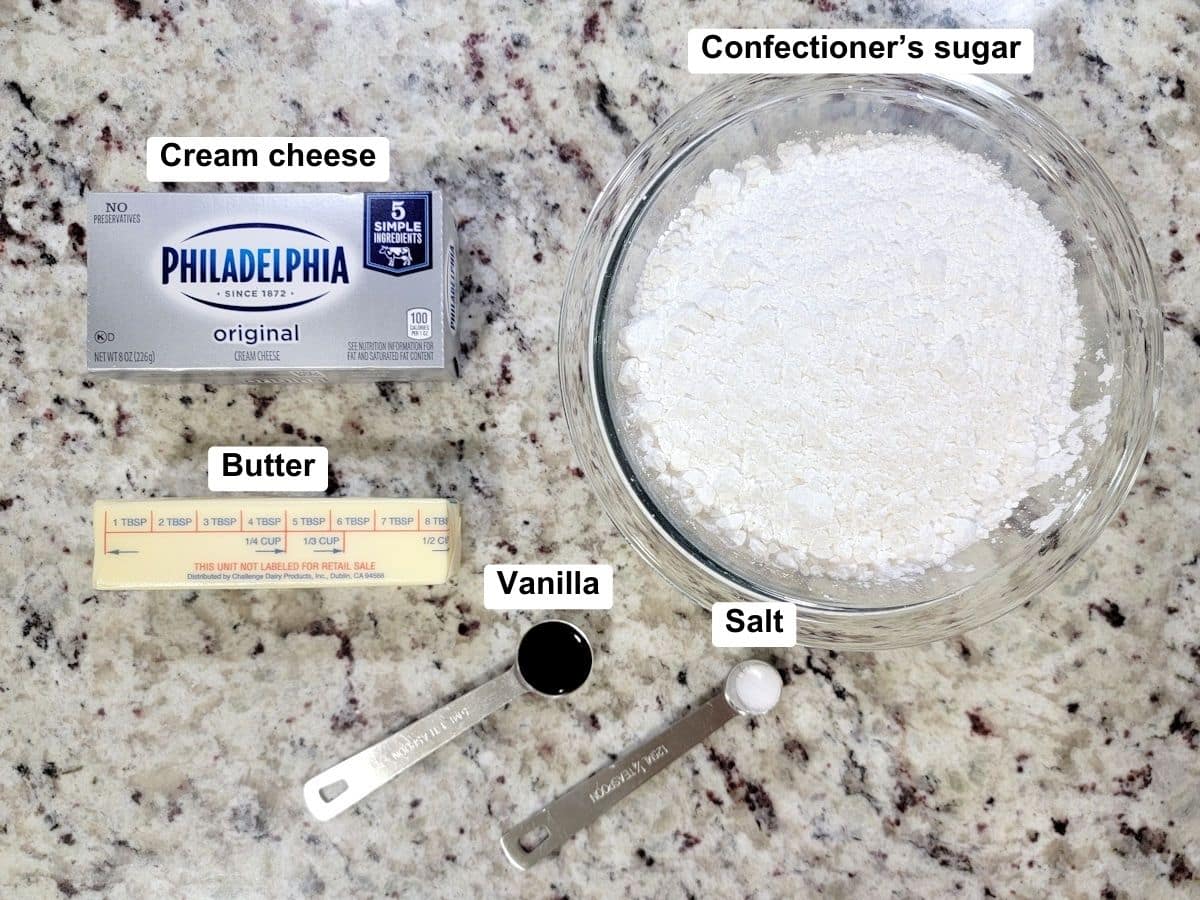
- Cream cheese - For this recipe, it's very important to use the correct type of cream cheese. You'll need one 8-ounce block of full-fat original cream cheese. Low-fat cream cheese or spreadable cream cheese in a tub will not work for this recipe. Using whipped or spreadable cream cheese will result in a runny frosting.
- Butter - Make this recipe with real butter, not margarine or vegetable oil spread (commonly found in a tub). Unsalted butter and salt can be substituted with salted butter if desired.
- Flavor - Vanilla extract and salt add flavor to your frosting. Any extract can be used to create a new frosting flavor.
- Confectioner's sugar - Sometimes called powdered sugar or icing sugar. Confectioner's sugar sweetens and stabilizes the frosting, making it thick and pipeable. I don't recommend blending granulated sugar to make confectioner's sugar because you often can't achieve the superfine texture of manufactured confectioner's sugar at home.
How to make cream cheese buttercream
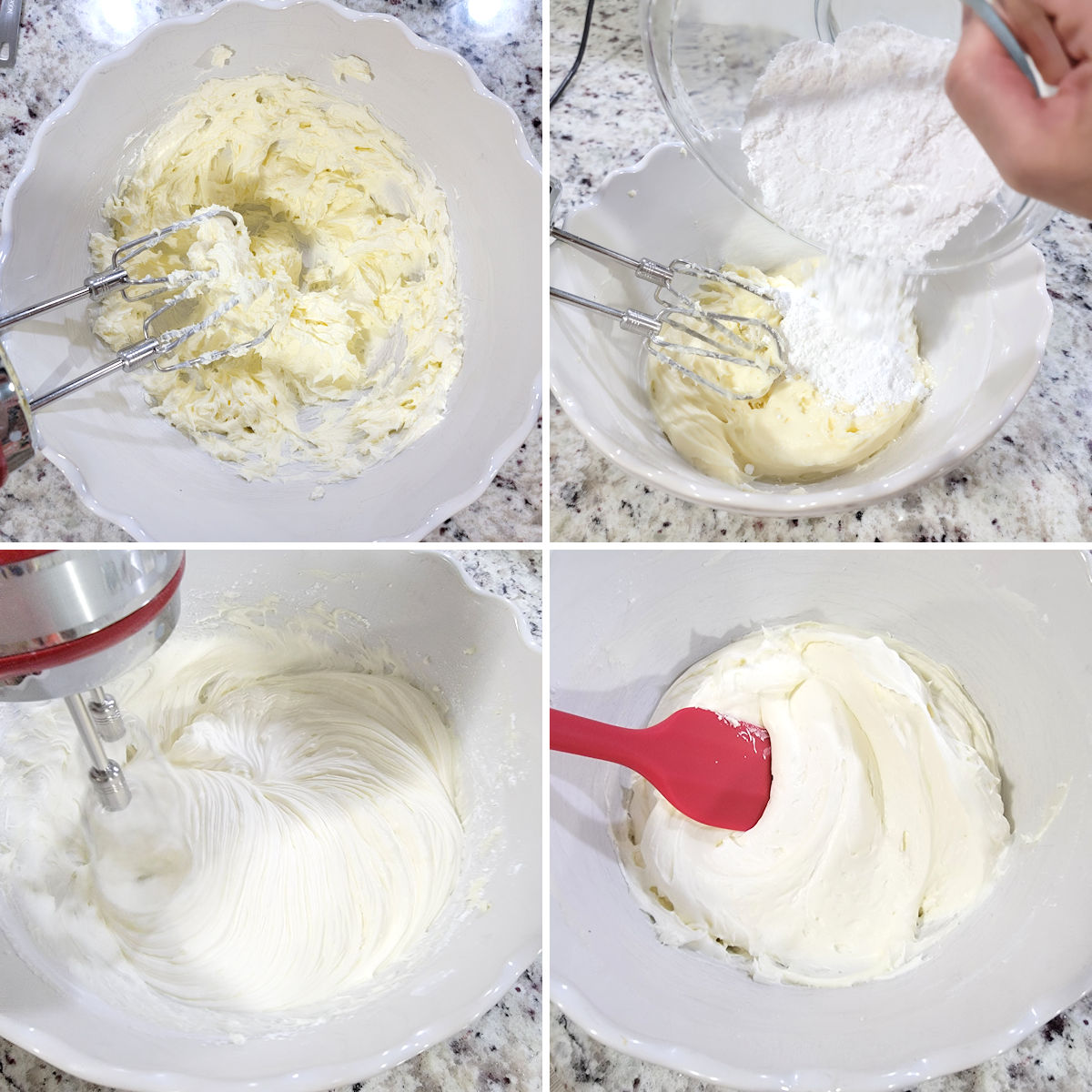
- Beat room temperature cream cheese and butter until creamy. Mix in vanilla and salt until incorporated.
- Add confectioner's sugar, half at a time, and mix until incorporated.
- Whip at high speed until light and fluffy.
- Pipe onto cooled cupcakes or cake and serve immediately.
Tips and tricks
Use room temperature ingredients - Your butter and cream cheese need to be room temperature (not melted, not cold) before beginning. Set your ingredients out on the counter top about 1 hour before beginning and they should be the perfect consistency for mixing.
To bring ingredients to room temperature - Need to bring ingredients to room temperature quickly? Unwrap your butter and cream cheese and slice them into pieces. Small pieces warm up faster than one large cube.
Don't be tempted to use the microwave - I don't recommend microwaving your butter because any melted butter in the recipe can ruin the texture of the frosting.
Frequently asked questions
This recipe makes enough frosting to frost the following cupcake quantities and cake sizes:
- 6-inch three layer cake
- 18 cupcakes with piped frosting
- 24 cupcakes spread with a knife
- 9x13 sheet cake
- 13x18 sheet cake
- 8-inch or 9-inch two layer cake with thin frosting on the tops, sides, and middle. For thick frosting all over, make an additional ½ batch of frosting.
If your baked goods are being prepared and served in the same day (within 2 hours), your cream cheese frosting can sit out at room temperature. After 2 hours, it is recommended to store your cream cheese frosting in the refrigerator.
For any baked goods made ahead, store them in a tightly sealed container in the refrigerator. One hour before serving, remove them from the refrigerator and allow to come to room temperature.
Cream cheese frosting will keep in the refrigerator for up to 1 week and in the freezer for up to 3 months.
Yes, the vanilla extract can be substituted with other extracts like lemon, maple, or peppermint. Up to 1 tablespoon of citrus zest (lemon, orange, lime) can be added for a bright, fresh citrusy frosting. A ½ teaspoon or more of dry seasoning like chai spice blend or cinnamon could be added as well (perfect for fall cakes).
Troubleshooting
Cream cheese frosting will melt in hot summer heat or direct sunlight in warm weather, between 90 and 95 degrees Fahrenheit (32 to 35 degrees Celsius). I recommend displaying frosted cakes indoors or in the shade during warmer weather.
Cream cheese frosting can turn out runny if block-style cream cheese is substituted with a whipped cream cheese or cream cheese spread (purchased in a tub). Frosting can also turn out runny if the cream cheese and/or butter has been melted. If your frosting turns out runny, try refrigerating it for 15 minutes or more to firm it back up. More sugar can be added (this will make your frosting sweeter) to help stabilize the frosting if needed.
Confectioner's sugar can sometimes contain lumps. If your confectioner's sugar looks lumpy after measuring, give it a sift before incorporating it with the rest of the ingredients.
Buttercream frosting is one of the sweetest types of frostings. You likely chose buttercream because it's made with two main ingredients, butter and sugar, and it requires no cooking. The trade-off for being so easy to make is that it is very sweet. Buttercream frosting relies on the confectioner's sugar to stabilize it, making it thick and pipeable. If you reduce the amount of sugar in the recipe, your frosting will get too soft to pipe and taste a lot like sweetened butter. I don't recommend reducing the sugar in this recipe for those reasons. Don't skip the salt in this recipe - it helps balance the sweetness of the frosting.
Recommended
📖 Recipe
Cream Cheese Buttercream Frosting
Ingredients
- 8 ounces (227 g) block-style cream cheese, room temperature
- ½ cup (113 g) unsalted butter, room temperature
- 1 teaspoon vanilla extract
- ¼ teaspoon salt
- 3 ½ cups (400 g) confectioner's sugar
Instructions
- In a large bowl, add room temperature cream cheese and butter and beat with a hand mixer (or stand mixer) until creamy, about 1 minute.
- Add vanilla extract and salt and mix until incorporated.
- Add confectioner's sugar, half at a time, and mix on low speed until sugar is incorporated. Switch to high speed and beat until light and fluffy, about 2 minutes.
- Pipe onto cooled cupcakes or spread onto cooled cake and serve immediately.
Equipment Recommendations
Notes
- Do not sub cream cheese: Original, full-fat block-style cream cheese cannot be substituted with low-fat cream cheese, whipped cream cheese, or spreadable cream cheese in a tub. Any of these substitutions will cause your frosting to be runny.
- Refrigeration: Cream cheese frosting needs to be refrigerated if it sits out for longer than 2 hours. Store frosted baked goods in the refrigerator in a tightly sealed container. Remove and bring to room temperature 1 hour before serving.
- Storage: Leftover frosting will keep for 1 week in a sealed container in the refrigerator or up to 3 months in the freezer. Bring to room temperature before spreading onto baked goods.
- Yield: Recipe makes enough to frost up to 18 cupcakes with piped frosting, 24 cupcakes spread with a knife, a 9x13 sheet cake, a 13x18 sheet cake, or an 8-inch or 9-inch two layer cake with thin frosting on the tops, sides, and middle. For thick frosting all over, make an additional ½ batch of frosting.
Too sweet and too soft even though I followed recipe.
Do you sift the confectionery sugar
I only sift the confectioner's sugar if it has noticeable lumps throughout. I'd recommend sifting after the sugar has been measured, just before it goes into your cream cheese mixture.
Does this frosting harden if used on sugar cookies?
This frosting is very soft - it won't harden or crust because it contains less sugar than a traditional buttercream frosting.
Love this recipe! Also tried the chocolate and added 1/2 teaspoon of espresso extract to the chocolate my sister loved it on her Birthday cake!
Hi,
What can i do if i can only find the spreadable cream cheese where i live? Is there a fix for this?
Thanks,
Jarlline
Unfortunately readers have not had success using spreadable cream cheese, it can result in a runny frosting. You could try adding extra confectioner's sugar to add stability, but that would also make your frosting very sweet, like a traditional buttercream.
Based on flavor alone, it is scrumptious! I literally just finished making it. Looks great!